

Textile finishing is an important stage of fabric manufacturing. After preparation, dyeing or printing, a fabric may still require additional treatments to achieve the required appearance, softness, dimensional stability, texture or functional performance.
The right finishing process can improve the fabric's suitability for its intended use. However, an unsuitable treatment or poor process control may create problems such as uneven appearance, excessive shrinkage, harsh hand feel or reduced fabric strength.
 |
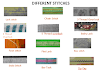
| Mechanical and chemical finishing processes change a fabric's surface, hand and performance. |
What Is Textile Finishing?
Textile finishing refers to treatments that modify the appearance, feel or performance of textile materials. Finishing may be carried out on fabric or garments, depending on the required product effect and process route.
Finishing can be broadly divided into mechanical, chemical and specialised treatments. The exact process sequence depends on fibre composition, fabric construction, dyeing route, end use and buyer requirements.
Objectives of Textile Finishing
- Improve fabric softness and handle.
- Improve surface smoothness or lustre.
- Control dimensional stability and residual shrinkage.
- Improve wrinkle resistance and shape retention.
- Develop a particular surface texture.
- Provide approved functional properties such as water repellency or soil release.
- Improve the suitability of the fabric for its intended end use.
Main Types of Textile Finishing
1. Mechanical Finishing
Mechanical finishing changes the appearance, surface or handle of a fabric through physical action rather than relying only on chemical treatment.
Calendering
In calendering, fabric passes between rollers under controlled pressure. Depending on the machine setup, temperature and roller surface, the process can produce a smoother surface, increased lustre or embossed appearance.
Compacting
Compaction is used to reduce fabric length and help control residual shrinkage. It is particularly important in knitted fabric finishing, where processing tension can elongate the loop structure.
Compaction should be controlled carefully. Excessive treatment may change fabric thickness, hand feel, appearance or finished width.
Napping
Napping raises fibres from the fabric surface to produce a soft, fuzzy or pile-like appearance. It is used for selected fabrics where a warm and soft surface is required.
Brushing and Sanding
Brushing and sanding modify the fabric surface. Depending on the construction and treatment intensity, they may produce a softer, suede-like or more textured appearance.
Shearing
Shearing trims protruding fibres or loops to create a more uniform surface height. It is used for fabrics where an even pile or surface appearance is required.
2. Chemical Finishing
Chemical finishing applies selected chemical formulations to modify fabric properties. The chemical system, application method and curing conditions must be suitable for the fibre and end-use requirements.
Softening Finish
Softening agents are used to improve fabric handle. The required softness depends on the product specification. Excessive softener application may affect absorbency, surface feel or later processing.
Wrinkle-Resistant Finish
Selected resin-based systems can improve wrinkle resistance and shape retention. Their application requires careful control of formulation, curing and the finished fabric's strength and handle.
Water-Repellent Finish
Water-repellent treatments are used where water resistance is required. The selected chemistry and application route should be assessed against the product specification and applicable chemical requirements.
Soil-Release Finish
Soil-release treatments are designed to help fabrics release certain soils during laundering. Performance depends on the finish chemistry, fibre type and care conditions.
Special Functional Finishes
Depending on product requirements, specialised finishes may include anti-pilling, flame-retardant or antimicrobial treatments. Such claims should be supported by appropriate testing and buyer approval. A finish should not be described as providing a particular safety or health benefit without relevant evidence.
3. Heat Setting
Heat setting is an important treatment for thermoplastic fibres and selected blends. It is used to stabilise fabric dimensions and reduce internal processing stresses.
Temperature, dwell time, overfeed, fabric tension and width control all need to match the fibre composition and fabric construction. There is no single heat-setting temperature suitable for every polyester, nylon or elastane blend.
4. Enzyme Finishing
Enzymes are used in selected textile processes to modify surface fibres or improve the appearance and handle of a material. In denim processing, enzyme treatments may be combined with mechanical action to create a washed or worn effect.
Enzyme selection, concentration, pH, temperature and treatment time must follow the approved process recipe.
5. Garment Finishing
Garment finishing is performed after sewing. Depending on the product, it may include garment washing, softening, enzyme treatment, tumble drying, pressing and other approved appearance treatments.
Denim is a common example. The garment may pass through washing, de-stoning, softening, extraction, drying and pressing before final inspection.
Typical Textile Finishing Process Flow
A general finishing route may look like this:
- Receive and inspect the fabric after the previous process.
- Confirm fabric composition, construction, shade and approved specification.
- Select the required mechanical or chemical finish.
- Prepare the chemical bath or machine settings, where applicable.
- Apply the treatment through the approved padding, spray, foam or mechanical method.
- Control drying and curing where required by the process.
- Carry out mechanical finishing such as compaction or calendering where specified.
- Inspect finished width, GSM, appearance, handle and dimensional stability.
- Release the material for the next process only after the required checks are complete.
This is a general sequence, not a universal machine route. Some processes occur before dyeing or printing, while others are carried out after colour application or at garment stage.
Wet Pickup Calculation in Chemical Finishing
Wet pickup is an important process parameter when applying chemicals through a padding system. It indicates how much treatment liquor is retained by the fabric compared with its dry weight.
Wet Pickup (%) = [(Wet Fabric Weight − Dry Fabric Weight) ÷ Dry Fabric Weight] × 100
Worked Example
Assume:
- Dry fabric weight = 100 kg
- Wet fabric weight after padding = 170 kg
- Active chemical concentration in the bath = 2% by weight
Wet Pickup = [(170 − 100) ÷ 100] × 100
= 70%
Retained treatment liquor = 170 − 100
= 70 kg
Estimated active chemical retained = 70 × 2 ÷ 100
= 1.4 kg
The estimated active chemical add-on is therefore 1.4 kg per 100 kg of dry fabric, or 1.4% on the weight of fabric.
This is a simplified calculation. It assumes the bath concentration is 2% by weight and that the retained liquor carries that concentration uniformly. Actual chemical add-on may be affected by bath density, formulation, drainage, migration, fabric structure and process losses.
Important Quality Control Parameters in Finishing
| Parameter | Why It Matters |
|---|---|
| Fabric width | Maintains usable width and dimensional consistency. |
| GSM | Checks fabric weight after treatment. |
| Dimensional stability | Helps identify shrinkage or extension. |
| Handle and softness | Checks whether the finish meets the approved feel. |
| Appearance | Identifies uneven surface effects, creases or marks. |
| Shade | Checks for unwanted shade variation after treatment. |
| Absorbency or repellency | Checks the intended functional performance. |
| Strength and durability | Helps verify that treatment has not caused unacceptable damage. |
How Textile Finishing Affects Shrinkage
Some mechanical finishing methods are specifically used to control residual dimensional change. Compaction can reduce fabric length by compressing the structure, while tenter-frame processing can help control width and drying conditions.
However, a finished fabric should still be tested under the agreed washing and drying conditions. Finishing treatment alone does not prove that a fabric will meet a particular shrinkage tolerance.
For a deeper understanding of cotton treatment, refer to the existing Textile Mates guide to mercerization and its process flow.
Fabric construction also matters. The existing quality control guide for weft knitting discusses stitch length and dimensional control, which are important when evaluating knitted materials.
Common Finishing Defects
- Uneven chemical application across the fabric width.
- Shade variation after drying or curing.
- Excessive or insufficient fabric softness.
- Unexpected shrinkage or width variation.
- Over-compaction or corrugated surface appearance.
- Uneven napping, brushing or shearing.
- Yellowing or unwanted appearance changes after heat treatment.
- Reduced strength or poor durability after an unsuitable chemical treatment.
How to Improve Finishing Process Control
Follow the Approved Recipe
Verify chemical identity, concentration, pH, bath preparation and compatibility before production. Do not change a production recipe without the required approval.
Control Wet Pickup
Maintain consistent padding pressure, fabric speed and bath condition. Monitor wet pickup instead of relying only on chemical tank concentration.
Monitor Temperature and Time
Drying and curing conditions must follow the chemical supplier's technical guidance and the approved process specification.
Maintain Width and Tension
Uncontrolled tension may change the finished dimensions. Overfeed, tenter width and fabric transport settings should be monitored.
Verify Finished Fabric Performance
Test the finished material against the relevant specification. Do not assume that a fabric has the required softness, shrinkage, absorbency or repellency merely because it passed through the machine.
Sustainable Textile Finishing Practices
Finishing departments can improve resource efficiency by using only the required chemical add-on, maintaining accurate bath preparation and avoiding unnecessary reprocessing.
- Choose the lowest effective chemical application level that meets the approved specification.
- Maintain consistent wet pickup to reduce unnecessary chemical use.
- Use suitable spray, foam or low-pickup application systems where technically appropriate.
- Control water and energy use during washing, drying and curing.
- Maintain chemical inventory and process records.
- Manage wastewater and chemical discharge according to applicable environmental requirements.
For a wider overview of fabric structures and applications, see 100+ Different Types of Fabric with Pictures, Properties and Uses.
Frequently Asked Questions
1. What is textile finishing?
Textile finishing refers to treatments that modify the appearance, handle or performance of fabric or garments to meet the intended product requirements.
2. What are the main types of textile finishing?
Common categories include mechanical finishing, chemical finishing, heat setting, enzyme finishing and garment finishing.
3. What is mechanical finishing?
Mechanical finishing uses physical processes such as calendering, compaction, napping, brushing, sanding and shearing to modify fabric appearance or handle.
4. What is chemical finishing?
Chemical finishing applies selected chemical formulations to improve properties such as softness, wrinkle resistance, water repellency or soil release.
5. What is wet pickup in textile finishing?
Wet pickup is the percentage of treatment liquor retained by fabric relative to its dry weight.
6. Does compaction eliminate shrinkage?
No. Compaction can reduce residual length shrinkage, but the finished fabric must still be tested against the agreed dimensional stability requirement.
7. Why is heat setting important?
Heat setting helps stabilise selected thermoplastic fibres and blends by controlling processing stresses and fabric dimensions.
External References and Further Reading
- CottonWorks — Mechanical Finishing
- CottonWorks — Chemical Finishing
- CottonWorks — Denim Finishing
- INFLIBNET — Textile Finishes
- ISO 5077 — Determination of dimensional change in washing and drying
Conclusion: Textile finishing determines many of the final characteristics of fabric and garments. Correct process selection, chemical control, machine settings and quality testing help manufacturers achieve the required appearance, handle, performance and dimensional stability.



0 Comments