

Quality Control in Weft Knitting
Quality control in weft knitting is the systematic monitoring of yarn, machine settings, production conditions and finished fabric to ensure that knitted fabric meets the required specifications. Effective quality control helps reduce fabric faults, improve machine efficiency and maintain consistent fabric appearance.
Important Quality Control Areas
1. Yarn Quality
Check yarn count, strength, evenness, hairiness, contamination and package condition. Poor yarn quality can create faults during knitting.
2. Machine Condition
Inspect needles, sinkers, cams, feeders and yarn tension devices. Damaged or incorrectly adjusted components may cause repeated fabric defects.
3. Machine Settings
Monitor machine speed, stitch length, yarn tension, take-down tension and other settings according to the fabric construction and yarn specification.
4. Fabric Appearance
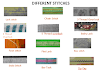
Inspect the fabric for holes, dropped stitches, needle lines, barre, oil stains, contamination and uneven loop formation.
5. Fabric Measurements
Check width, GSM, stitch density, course and wale characteristics, spirality and dimensional stability where required by the specification.
Common Weft Knitting Defects
- Needle line: A vertical line caused by needle-related problems.
- Drop stitch: Missing loops that create an open or defective area.
- Hole: An opening caused by yarn breakage, needle damage or other knitting problems.
- Barre: Visible horizontal shade or appearance variation in knitted fabric.
- Oil stain: Contamination from machine oil or maintenance activities.
- Uneven GSM: Fabric weight variation caused by inconsistent process or construction parameters.
Preventive Quality Measures
Use approved yarn, maintain machine components, follow standard machine settings, train operators and inspect fabric regularly. Defects should be recorded and their root causes investigated rather than relying only on final inspection.
For a better understanding of fabric structures, read about types of knitting machines and review common faults of knitted fabric.
Frequently Asked Questions
Why is quality control important in weft knitting?
It helps prevent defects, reduce waste and maintain consistent fabric quality.
What causes needle lines?
Needle lines may result from damaged, worn or incorrectly functioning needles.
Which fabric parameters should be checked?
Common checks include GSM, width, stitch length, stitch density, appearance and dimensional stability.
Conclusion
Successful weft knitting quality control requires attention to raw materials, machine condition, process settings and fabric inspection. Early defect detection helps factories improve quality and production efficiency.



0 Comments