

Types of Stitches Used in Garment Manufacturing
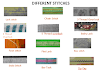
Stitches are formed by interlacing, intralooping or interlooping sewing threads to join or decorate textile materials. Different stitch structures are selected according to garment design, seam performance, fabric type and machine capability.
Common Stitch Classes
Class 100: Single Thread Chain Stitches
Class 100 stitches are formed using one needle thread that creates loops. They are used in selected temporary or decorative sewing applications, depending on the stitch type.
Class 200: Hand Stitches
Class 200 covers stitches that resemble hand sewing. Some are used for decorative or specialised garment applications.
Class 300: Lockstitches
Class 300 stitches are formed by interlacing needle and bobbin threads. Lockstitch is widely used for woven garments because of its balanced appearance and suitable seam performance.
Class 400: Multi-Thread Chain Stitches
Class 400 stitches use multiple threads and loop formation. They are commonly used in operations requiring stretch or continuous stitching.
Class 500: Overedge Stitches
Class 500 stitches wrap around fabric edges to prevent fraying and provide edge finishing. Overlock machines commonly produce these stitches.
Class 600: Covering Stitches
Class 600 stitches use multiple threads to cover the fabric surface. They are commonly used in knit garments, hems and decorative applications.
Selection of Stitch Type
Stitch selection depends on fabric construction, seam strength, stretch, appearance, machine type and production requirements. For example, knit garments often require stretch-compatible stitches, while woven garments may use lockstitch for many joining operations.
Stitching is one part of the complete garment manufacturing process. Read about buttonhole construction and garment merchandiser responsibilities for related garment production activities.
Frequently Asked Questions
What is the most common stitch in garments?
Lockstitch is widely used, particularly in woven garment operations.
What is an overedge stitch?
It wraps around fabric edges to help prevent fraying and finish the edge.
Which stitch is used for knit garments?
Overedge and coverstitch types are widely used, depending on the seam and garment operation.
Conclusion
Understanding stitch classes helps garment professionals select suitable sewing structures for different fabrics, seams and product requirements.



0 Comments