

Various Types of Fabric and Their Uses
Fabric can be classified in several ways, but the most useful starting point is its construction. Woven, knitted and nonwoven materials are produced through different processes and therefore behave differently in garments and other applications.
1. Woven fabric
Woven fabric is formed by interlacing warp and weft yarns. Plain, twill and satin are common weave structures. Woven fabrics are widely used for shirts, trousers, denim, jackets and home textiles.
2. Knitted fabric
Knitted fabric is formed by interlooping yarn. Weft knits such as single jersey, rib and interlock are common in apparel. Knitted fabrics generally offer more stretch than comparable woven constructions, although the amount depends on structure and fibre content.
3. Nonwoven fabric
Nonwoven materials are made by bonding or entangling fibres rather than weaving or knitting yarns. They are used in medical products, filtration, hygiene products and industrial applications.
Other ways to classify fabric
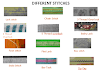
Fabric can also be grouped by fibre composition, weight, finishing, surface appearance or end use. For a wider visual guide, see 100 different types of fabric with properties and uses.
FAQs
What is the main difference between woven and knitted fabric? Woven fabric uses interlaced yarns; knitted fabric uses loops.
Are nonwovens used in clothing? Yes, in selected apparel components and protective products.
Which fabric type is best? It depends on the product's comfort, strength, appearance and performance needs.



0 Comments