


Garment Construction Quality Standards
Garment quality is built operation by operation. Final inspection can identify defects, but it cannot replace process control on the sewing floor. A strong quality system checks the product against its approved sample, measurement specification and workmanship requirements.
Measurement control
Measure garments on a flat surface using the buyer's points of measurement. The garment should be relaxed and handled consistently before measurement. Record actual results and compare them with the specified tolerance. Do not assume that one tolerance applies to every measurement point.
Seam and stitch quality
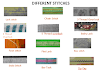
Inspect seam alignment, stitch density, thread tension, seam allowance and reinforcement. Look for skipped stitches, open seams, broken stitches, puckering and raw edges. Stretch seams should be checked for recovery and seam opening where relevant.
Appearance and finishing
Check shade consistency, stains, pressing marks, labels, trims and overall garment shape. Any critical or major defect should be handled according to the factory's approved inspection procedure and buyer requirement.
FAQs
Is final inspection enough to ensure quality? No. In-line checks and process control are also necessary.
Where should measurement tolerance come from? The approved buyer specification or measurement sheet.
What should happen when a defect repeats? Identify the process cause, correct it and verify the result.



0 Comments