

Sewing Methods and Seam Construction
Once the basic principle of sewing is understood, the next step is choosing the right construction method. A garment may contain several seam types, and each one has a specific job. Side seams, shoulder seams, hems, waistbands and decorative joins do not always require the same stitch or machine.
Common seam applications
Plain seams are widely used to join fabric panels. Overedge seams are useful where the raw edge needs to be secured. Coverstitch construction is commonly used for knitted garment hems because it provides stretch and a suitable appearance. The approved tech pack should determine the final construction.
Choosing the stitch
Consider fabric type, seam location, stretch requirement, appearance and expected durability. A stitch that works well on a stable woven fabric may not perform properly on a highly elastic knit. Check the seam after stretching and laundering where the product specification requires it.
Production checks
- Confirm seam allowance and stitch type against the operation bulletin.
- Use the approved needle and thread combination.
- Check stitch density and thread tension.
- Inspect seam appearance and strength on the first output.
- Monitor changes after needle replacement or machine adjustment.
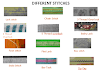
For further reference, see different types and classification of stitches.
FAQs
Why do garments use different seam types? Each seam has different strength, flexibility, bulk and appearance requirements.
Can a seam type be changed during production? Only after checking the approved construction and obtaining the required approval.
What is a first-piece check? It is an inspection of the first completed output before bulk production continues.



0 Comments