

Introduction to Fabric Defects
Fabric defects are unwanted irregularities that affect fabric appearance, construction, performance or usability. They may occur during yarn manufacturing, weaving, knitting, dyeing, finishing, storage or handling.
Common Types of Fabric Defects
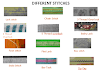
1. Hole
A hole is an opening in the fabric caused by yarn breakage, needle damage, sharp objects or mechanical problems.
2. Slub
A slub is a thick or irregular section of yarn that appears as an unwanted thick place in the fabric.
3. Barre Mark
Barre marks appear as visible horizontal bands, commonly in knitted fabrics. Variations in yarn properties, dye affinity or machine conditions may contribute.
4. Needle Line
A needle line is a vertical line-like appearance in knitted fabric, often associated with needle, cylinder or knitting element issues.
5. Oil Stain
Oil stains can occur when lubricants or machine oils come into contact with fabric during production.
6. Bowing and Skewing
Bowing and skewing describe distortion in the alignment of fabric courses, wales or filling yarns.
Fabric Defect Prevention
- Maintain machines and replace damaged components.
- Monitor yarn quality and consistency.
- Control dyeing and finishing parameters.
- Follow proper fabric handling and storage practices.
- Carry out inspection at suitable production stages.
Conclusion
Early identification of fabric defects helps reduce cutting losses, rework and customer complaints. For more information, read Common Knitted Fabric Defects.
Frequently Asked Questions
1. What is a fabric defect?
It is an unwanted irregularity that affects fabric quality or usability.
2. What causes barre marks?
They may result from variations in yarn, dye uptake, machine settings or processing conditions.
3. Why is fabric inspection important?
It helps identify defects before fabric is used for cutting or further production.



0 Comments