


Introduction
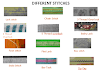
Textile dyes are classified according to their chemical structure, application method and affinity for different fibres. Selecting the correct dye is important for achieving the required shade, levelness and colour fastness.
Major Types of Textile Dyes
1. Reactive Dyes
Reactive dyes contain functional groups that can form covalent bonds with suitable fibres, especially cellulose. They are widely used for cotton dyeing.
2. Disperse Dyes
Disperse dyes are sparingly soluble in water and are commonly used for polyester. High-temperature or carrier-assisted methods may be used depending on the process.
3. Vat Dyes
Vat dyes are applied through a reduction and oxidation process. They are valued for good fastness properties on cellulosic materials.
4. Direct Dyes
Direct dyes have an affinity for cellulosic fibres and can be applied from an aqueous dye bath without the same reactive fixation mechanism used by reactive dyes.
5. Acid Dyes
Acid dyes are used for fibres such as wool, silk and certain polyamides under suitable acidic dyeing conditions.
6. Basic Dyes
Basic dyes are cationic dyes used for suitable substrates, including acrylic fibres.
How to Select a Suitable Dye
Dye selection depends on fibre composition, shade depth, fastness requirements, machine type, cost and environmental restrictions. The dye supplier's technical recommendations should be followed.
Conclusion
Understanding dye classes helps textile professionals choose the right dyeing route. Read more about Dye Structure and Vat Dyeing.
Frequently Asked Questions
1. Which dyes are commonly used for cotton?
Reactive, direct and vat dyes are among the dye classes used for cotton.
2. Which dyes are commonly used for polyester?
Disperse dyes are commonly used for polyester.
3. Are all textile dyes suitable for every fibre?
No. Dye selection depends on fibre chemistry and the dye's application mechanism.



0 Comments